
30-Station Air Resistance and Service Life Testing Machine
This device is designed to test disposable electronic vaporizers and e-liquid cartridges using an electric piston-based inhalation mechanism. By setting the smoking speed, smoking volume, and number of smoking cycles, it verifies whether the device meets the required standards.
This device is designed to test disposable electronic vaporizers and e-liquid cartridges using an electric piston-based inhalation mechanism. By setting the smoking speed, smoking volume, and number of smoking cycles, it verifies whether the device meets the required standards.
Overview: This device is designed for testing disposable electronic vaporizers and e-liquid cartridges. It uses an electric piston-based inhalation mechanism. By setting the appropriate smoking speed, smoking volume, and number of smoking cycles, it determines whether the electronic vaporization device meets the required standards.


Unlocking Efficiency with the 30-Station Air Resistance Testing Machine
As industries pursue higher quality and efficiency, the need for precise testing equipment has never been more critical. Ensuring product durability and performance under real-world conditions is a key challenge—especially as customer expectations continue to evolve. This is where Dongguan Jingyao Instrument Equipment Co.,Ltd steps in with innovative solutions designed to address these needs. Drawing on extensive experience in manufacturing precision testing instruments, they have developed equipment that not only meets industry expectations but also improves productivity. In this article, we explore the advantages of the 30-Station Air Resistance and Service Life Testing Machine, highlighting its impact across multiple sectors and how it is helping to modernize testing practices.
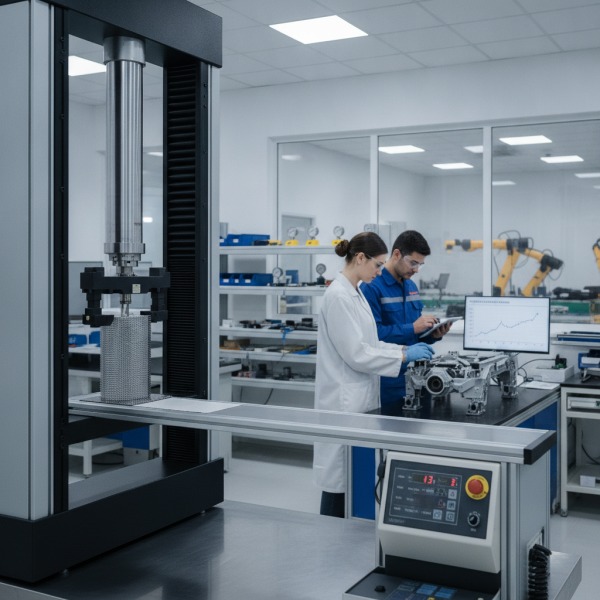
Key Benefits of the 30-Station Testing Machine
One of the primary benefits of the 30-Station Air Resistance Testing Machine is its exceptional efficiency in testing multiple samples at the same time. Consider a scenario in which a manufacturer needs to evaluate the durability of different materials under comparable conditions. With this machine, tests can be carried out in parallel, significantly reducing the time required to collect data. This supports faster decision-making and, ultimately, cost savings. By leveraging the advanced technology of this system, businesses can accelerate production timelines while maintaining high quality standards.
Another major advantage is the accuracy of the test results. The precision of the 30-Station Air Resistance Testing Machine helps ensure that outcomes reflect real-world conditions as closely as possible. Recently, a client in the textiles industry shared that using this machine enabled them to identify weaknesses in their fabric designs that had previously been overlooked. This improved their product offerings and strengthened their market reputation. Accurate testing is more than meeting requirements—it is also about producing products customers can trust.
In addition, the machine’s versatility makes it suitable for a wide range of industries—from automotive to textiles and beyond. Companies can tailor testing parameters to match their specific needs, increasing overall utility. For example, an outdoor equipment manufacturer can use the system to simulate extreme weather conditions, helping ensure products perform reliably in demanding environments. This flexibility is essential in today’s fast-moving market, where the ability to respond quickly to customer needs can distinguish one company from its competitors.
Pro Tip: When configuring your testing parameters, always consider the end-use of your product. Aligning tests with the actual conditions your products will face can generate practical insights that improve design and durability.
Application of the 30-Station Testing Machine
The 30-Station Air Resistance and Service Life Testing Machine is designed for rigorous testing requirements. For example, this product features a robust construction that is built to handle demanding testing environments, making it well-suited for industries such as automotive and aerospace. With configurable settings, it can simulate different environmental factors, providing comprehensive data on material performance. This capability is important for manufacturers seeking to verify that their products can withstand long-term use.
In addition, the machine’s integration with data analysis tools helps users interpret results efficiently and make data-driven decisions. One recent case involved a furniture manufacturer that used the machine to test product longevity. By analyzing the data collected, they were able to refine their designs and materials, resulting in a 30% reduction in warranty claims over the following year. These success stories demonstrate the tangible value of using advanced testing equipment such as the 30-Station Air Resistance Testing Machine.
Comparison of Testing Methods
In the world of product testing, not all approaches are equal. Understanding the differences between testing methods is essential for making informed purchasing and process decisions. Below, we compare traditional testing approaches with the capabilities of the 30-Station machine. This comparison focuses on key factors such as time efficiency, accuracy, and adaptability—important considerations for any manufacturer aiming to remain competitive.
As shown in the table, the 30-Station Testing Machine offers clear advantages over traditional methods. Its ability to run tests quickly and generate accurate results enables companies to respond to market changes more effectively. The machine’s adaptability allows it to support a wide range of testing requirements, making it a valuable investment for manufacturers. We recommend evaluating your specific needs and considering a transition to this advanced testing approach to gain a competitive advantage.
Technical Insights
The technology behind the 30-Station Air Resistance and Service Life Testing Machine combines advanced sensors with data processing capabilities. These features enable accurate measurement of air resistance and durability under a variety of conditions. For instance, the machine can simulate wind speeds and moisture levels that materials would encounter in real-life scenarios. This testing depth helps ensure products not only meet industry requirements but also deliver performance beyond expectations, giving manufacturers greater confidence in their offerings.
Furthermore, implementing this machine can streamline operations significantly. By reducing time spent on testing and improving result accuracy, manufacturers can shift focus toward innovation rather than being delayed by lengthy testing cycles. The future of product testing depends on solutions that combine advanced technology with practical application, helping businesses keep pace with evolving market demands.

Conclusion: Embrace Advanced Testing Solutions
In summary, the 30-Station Air Resistance and Service Life Testing Machine represents a significant step forward in testing efficiency and accuracy. Its benefits are clear: faster testing cycles, improved accuracy, and strong adaptability across a wide range of industries. Investing in this technology is about more than compliance—it helps you build a competitive advantage. Upgrade your testing process by visiting Dongguan Jingyao Instrument Equipment Co.,Ltd to learn more and explore how you can enhance your product offerings. Remember: the quality of your testing can determine your success in the marketplace.
Frequently Asked Questions (FAQs)
What types of materials can be tested with the 30-Station machine?
The 30-Station Air Resistance and Service Life Testing Machine is versatile and can test a wide range of materials, including fabrics, plastics, metals, and composites. This flexibility makes it suitable for various industries, from textiles to automotive manufacturing. Companies can customize the testing parameters to simulate the environmental conditions their products will face, helping ensure accurate and relevant results.
How does the testing process work?
The testing process with the 30-Station machine involves placing samples into the system and setting the desired parameters for air resistance and environmental conditions. The machine then simulates these conditions, while real-time data is collected and analyzed. This enables manufacturers to evaluate how their products perform under different scenarios, supporting improved product design and quality assurance.
What are the benefits of using a 30-Station Testing Machine versus traditional methods?
Using the 30-Station Testing Machine provides significant advantages over traditional methods, including faster testing cycles, improved accuracy, and the ability to test multiple samples at once. This efficiency helps save time and reduces costs associated with lengthy testing processes. In addition, the machine’s adaptability enables it to support diverse industries and specific testing requirements, making it a valuable investment for manufacturers.
Can the 30-Station machine be customized for specific testing needs?
Yes. One of the key features of the 30-Station machine is its customization capability. Manufacturers can set specific testing parameters based on their product requirements. For example, a company that produces outdoor gear can configure the machine to simulate extreme weather conditions, ensuring their products are thoroughly tested for durability. This level of customization is especially valuable for industries that require precise testing.


