
Automatic oiling machine (5 heads)
Aluminum components enable uniform heating of the liquid, while three temperature-sensing probes support precise temperature control; the heating range covers room temperature to 120°C. The machine offers high injection accuracy and stability, with five filling heads delivering 50–100 units per minute and ±1% filling accuracy, plus a short path from the oil tank to the dispensing nozzle to minimize residual liquid after filling. Setup and operation are straightforward via an integrated touchscre
Aluminum components enable uniform heating of the liquid, while three temperature-sensing probes support precise temperature control; the heating range covers room temperature to 120°C. The machine offers high injection accuracy and stability, with five filling heads delivering 50–100 units per minute and ±1% filling accuracy, plus a short path from the oil tank to the dispensing nozzle to minimize residual liquid after filling. Setup and operation are straightforward via an integrated touchscre
Product Features and Specifications
• High efficiency and excellent stability: Aluminum components promote uniform heating of the liquid. Three temperature-sensing probes monitor temperature continuously, enabling precise temperature control for all portions of the heated liquid.
• High injection accuracy, reliable durability, and easy handling: Built for dependable performance, simple cleaning, and straightforward maintenance.
• Reduced residual liquid: A short path from the oil tank to the dispensing nozzle minimizes residual liquid after filling, helping to eliminate waste.
• Simple setup and user-friendly operation: Interfaces are designed for easy adoption by operators.
• High production capacity: Equipped with five filling heads, achieving a production rate of 50–100 units/min, suitable for large-scale manufacturing requirements.
• High-precision filling: Provides filling accuracy of ±1% (as specified), supporting consistent filling volumes.
• Heating function: Heating range from room temperature to 120°C, suitable for liquids that require maintaining fluidity under heated conditions.
• Convenient operation: An integrated touchscreen, PLC, and custom programming control system support intuitive machine operation.
• Stable performance: Motor + ball screw drive system ensures reliable equipment operation.
• Wide applicability: Suitable for bottles with a diameter of > 2 mm and across a bottle height range of 5–100 mm, accommodating a variety of container types.

Unlocking Efficiency: The Impact of Precision Instruments in Manufacturing
In today’s fast-paced manufacturing environment, the demand for precision instruments is more important than ever. As industries seek higher efficiency and lower costs, integrating advanced measurement technologies has become a key strategy. However, the variety and complexity of these tools can make selection and implementation challenging for manufacturers. This is where Dongguan Jingyao Instrument Equipment Co.,Ltd comes in, providing innovative solutions designed to meet the precise needs of different sectors. Their commitment to quality and service helps businesses choose the right tools to optimize operations. In this article, we explore the key benefits of precision instruments, highlight specific product features, and discuss how they can transform manufacturing processes.
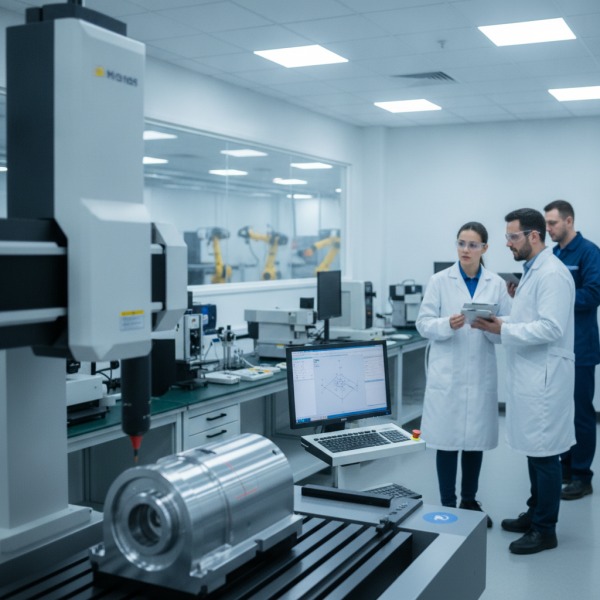
Key Benefits of Precision Instruments
One of the primary advantages of precision instruments from Dongguan Jingyao Instrument Equipment Co.,Ltd is their ability to significantly reduce measurement errors. This is critical in manufacturing, where even minor deviations can result in product failure or recalls. For example, in a production environment where components must fit precisely, using precision measuring instruments improves accuracy, reducing waste and rework. This saves time and lowers costs, ultimately improving overall production-line efficiency.
Another important benefit is improved operational efficiency through real-time monitoring and data collection. Tools designed to deliver immediate feedback enable manufacturers to adjust processes on the fly, helping production remain on target. For example, an automotive client reported a 20% increase in throughput after integrating real-time measurement systems—demonstrating how precision tools can directly boost productivity. This capability allows businesses to respond quickly to emerging issues while maintaining high standards of quality and performance.
In addition, the versatility of precision instruments makes them applicable across a wide range of industries, from electronics to aerospace. The adaptability of Dongguan Jingyao Instrument Equipment Co.,Ltd products supports customization to meet specific requirements. As a result, businesses can find practical, tailored solutions regardless of industry. This flexibility improves usability and supports long-term technology investment aligned with business needs.
Pro Tip: When integrating new measurement technologies, ensure your team receives proper training. This is essential to maximize the value of precision instruments. When operators fully understand the tools, usage improves—leading to greater efficiency.
Product Focus: Automatic Oiling Machine
One standout product from Dongguan Jingyao Instrument Equipment Co.,Ltd is the Automatic Oiling Machine, designed specifically for high-volume manufacturing environments. The machine features five heads for simultaneous operation, significantly improving efficiency in oiling processes. Built with durability in mind, it uses high-quality stainless steel that is well-suited to demanding industrial conditions while remaining easy to maintain. It is ideal for automotive and machinery manufacturing applications, where consistent lubrication is essential to support equipment longevity.
In addition, the Automatic Oiling Machine is equipped with advanced sensors that monitor oil levels and application rates, enabling real-time adjustments to optimize performance. Users can therefore expect not only reduced oil consumption, but also improved machine uptime. A featured case involved a manufacturer reporting a 30% reduction in oil usage after implementing this system, illustrating the tangible benefits of adopting innovative equipment. Integrating this machine into existing workflows can streamline operations and enhance overall productivity.
Comparison Analysis: Precision Instruments
To better understand the advantages of precision instruments, we compare two types of measurement tools commonly used in manufacturing: digital calipers and traditional Vernier calipers. This comparison highlights differences in accuracy, usability, and application—key factors for making informed purchasing decisions.
Based on the comparison, it is clear that digital calipers offer superior accuracy and ease of use, making them a strong choice for environments where precision is critical. While Vernier calipers may provide a broader measurement range, the user-friendliness and reliability of digital solutions make them preferable for most applications. Ultimately, the right tool depends on the user’s specific needs, including the nature of the tasks and the required level of precision.
Technical Insights on Precision Measurement
Precision measurement technology has advanced significantly, driven by improvements in materials and digital capabilities. Modern instruments often use high-grade alloys and composites to enhance durability while maintaining lightweight performance. For example, the use of carbon fiber in some measuring tools can reduce weight and improve resistance to thermal expansion, helping deliver consistent measurements across varying temperatures. This is especially important in sectors such as aerospace, where even small fluctuations can lead to major issues.
In addition, smart technology has changed how measurement data is collected and analyzed. With IoT connectivity, manufacturers can monitor performance metrics in real time, enabling proactive maintenance and more timely process adjustments. This shift toward smart manufacturing enhances operational efficiency and provides valuable insights into production processes, supporting continuous improvement strategies. As technology evolves further, integrating AI and machine learning into measurement systems will continue to optimize operational effectiveness.

Conclusion: The Future of Precision Instruments
In conclusion, integrating precision instruments into manufacturing is not just a trend—it is essential for companies seeking to remain competitive. The benefits of reduced errors, improved efficiency, and greater adaptability are key drivers of long-term success. To explore the innovative solutions offered by Dongguan Jingyao Instrument Equipment Co.,Ltd, visit our website and take the first step toward optimizing your operational processes. In manufacturing, precision is not optional; it is a requirement for excellence.
Frequently Asked Questions (FAQs)
What types of precision instruments does Dongguan Jingyao offer?
Dongguan Jingyao offers a wide range of precision instruments, including digital calipers, micrometers, and specialized testing equipment for various industries. These tools are designed to improve measurement accuracy and efficiency in manufacturing environments. Each product is tailored to meet the specific needs of different sectors, ensuring customers receive solutions that support their operational requirements.
How can precision instruments improve manufacturing processes?
Precision instruments improve manufacturing processes by reducing measurement errors and enhancing operational efficiency. By providing accurate measurements, these tools help minimize waste and rework, lowering costs and increasing productivity. In addition, real-time data collection enables manufacturers to make faster, more informed decisions, supporting smoother and more streamlined operations.
What industries benefit the most from precision measurement tools?
Industries that benefit significantly from precision measurement tools include aerospace, automotive, electronics, and medical device manufacturing. These sectors require high levels of accuracy and reliability to ensure product quality and safety. Precision instruments help these industries maintain strict compliance with regulatory requirements while supporting overall production quality.
How does Dongguan Jingyao support customers with their products?
Dongguan Jingyao provides comprehensive support, including product training, technical assistance, and after-sales services. The team is committed to ensuring customers fully understand how to use the instruments effectively, helping them maximize their investment. Jingyao also offers customization options based on specific needs to enhance usability across different applications.


