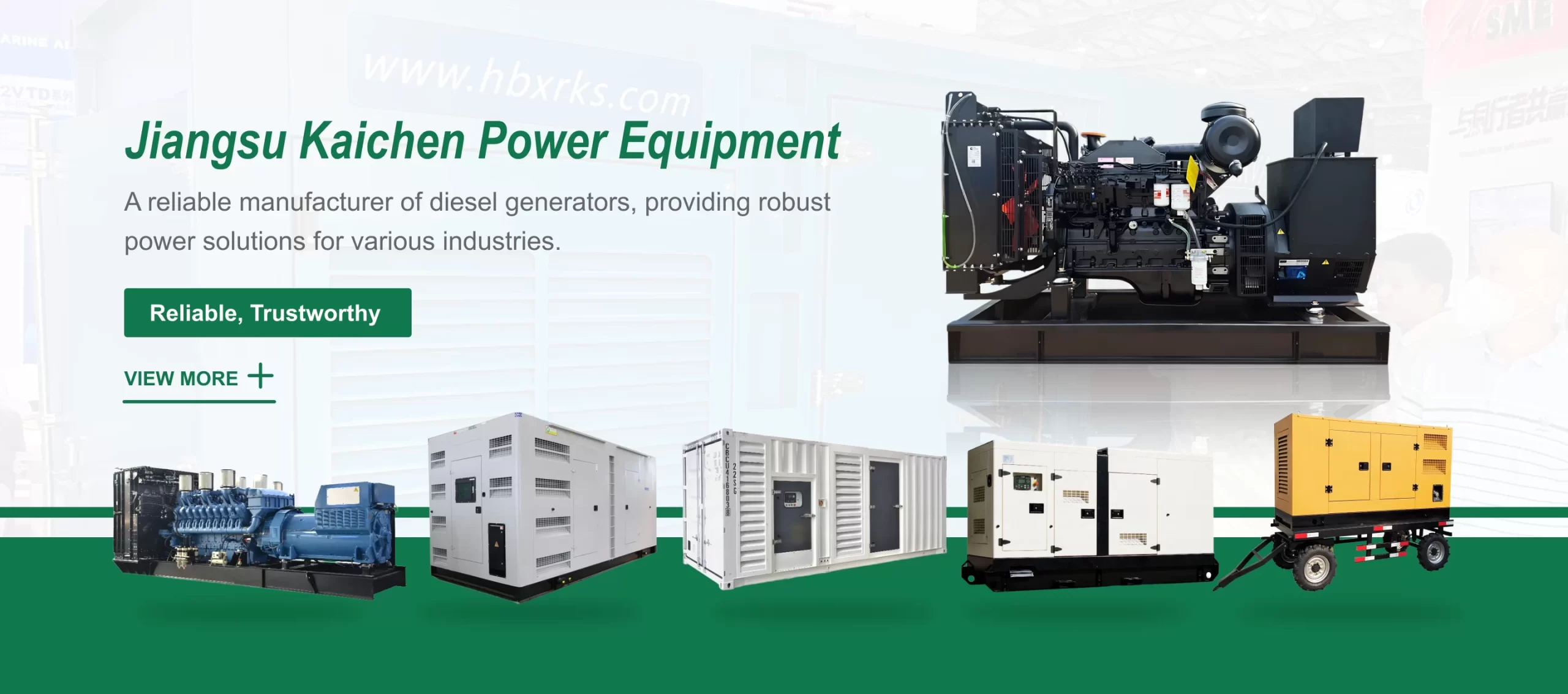
CE Certification CUMMINS Diesel Generators Series illustrates one part of a larger challenge facing instrument manufacturers: keeping precision production and testing stable when the utility supply is interrupted or fluctuates. Even a short disturbance can disrupt calibration, invalidate a test run, or leave sensitive equipment in an uncertain state.
Measurement and instrumentation plants rely on an intricate mix of environmental controls, automated production equipment, reference standards, and data systems. Reliable power is not simply a matter of keeping the lights on. It is a prerequisite for repeatable results, traceable records, and predictable delivery schedules.
Why small power disturbances create large process problems
Instrument manufacturing often combines processes with very different power requirements. A production line may include motors and compressors alongside electronic assembly stations, optical inspection equipment, precision balances, and calibration benches. The larger loads can create voltage dips or electrical noise as they start and stop, while sensitive instruments may respond to disturbances that would go unnoticed in ordinary commercial settings.
The consequences vary by operation. A brief interruption may reset a controller, stop a controlled-temperature chamber, or interrupt data capture during a test. If a reference instrument loses stable operating conditions, technicians may need to verify its state before resuming work. The resulting delays can outlast the outage itself because affected samples, records, and test sequences may require review.
Start with a power-quality map
Before selecting backup equipment, facilities teams should identify which loads are essential, which are sensitive, and which can safely shut down. A power-quality assessment can document voltage variation, frequency stability, harmonic distortion, transient events, and the behavior of large loads during startup. Measurements taken at different points in the facility help distinguish a utility-side issue from a problem created by internal equipment.
This inventory also helps prevent oversizing or undersizing a standby system. Nameplate ratings alone may not reveal motor starting current, future expansion needs, or the difference between continuous and intermittent demand. Critical calibration instruments may need conditioned, uninterrupted power, while noncritical production loads may only require a controlled shutdown or a separate standby circuit.
Match backup architecture to the process
A dependable design often combines technologies rather than asking one device to solve every power problem. Uninterruptible power supplies can bridge brief interruptions and protect electronic controls, measurement systems, and data infrastructure. A standby generator can support longer outages, particularly where essential loads exceed practical battery capacity. Transfer equipment, grounding, protection coordination, and load sequencing determine how smoothly those elements work together.
In some facilities, acoustic limits, emissions requirements, available fuel, and installation space influence the choice of generator. A CE Certified Silent Type Natural Gas Generator is one example of an option that may be evaluated where noise control and site-specific fuel considerations matter. The appropriate configuration depends on the facility’s engineering requirements, applicable standards, and operating profile—not on a product label alone.
Protect measurement integrity, not just uptime
Power resilience planning should account for the conditions under which measurements remain valid. Temperature, humidity, vibration, grounding, and electromagnetic interference can all affect instrument behavior. When backup power is introduced, teams should verify that the transition does not produce unacceptable voltage or frequency changes and that sensitive equipment returns to a known operating state.
Documented recovery procedures are equally important. Define which instruments require rechecking, how interrupted test records are handled, and who authorizes a return to production. Where quality systems require traceability, event logs from power monitoring and control systems can help investigators determine whether a result was affected by an electrical event.
Maintenance turns standby capacity into real readiness
Backup equipment is only useful if it starts, transfers load, and sustains operation when needed. Regular inspection should cover batteries, fuel or gas connections, cooling, ventilation, exhaust, transfer switches, alarms, and control settings. Periodic testing under realistic load conditions can reveal problems that a no-load start will not expose, such as overheating, unstable output, or poor load acceptance.
Maintenance records should include test results, corrective actions, and changes to the facility’s load profile. As production expands or new instruments are added, the original power plan may no longer reflect actual demand. Reviewing the system after equipment upgrades, process changes, and significant electrical events helps keep resilience aligned with operational reality.
A practical path to greater resilience
For instrument manufacturers, resilient power is a quality and continuity issue as much as a facilities concern. The most useful first steps are to map critical loads, measure power behavior, establish recovery priorities, and test the complete backup sequence. From there, engineering teams can specify an appropriately coordinated mix of conditioning, storage, generation, monitoring, and maintenance.
Generator manufacturers such as Jiangsu Kaichen Electric Power Equipment Co., Ltd., with experience producing standby and prime-power diesel sets for industrial applications, form one part of the broader supply chain supporting these plans. The final system, however, should be designed around the instrument plant’s measured needs and validated by qualified electrical and quality teams. That process helps ensure a power event remains a manageable interruption rather than a source of compromised measurements and lost production.