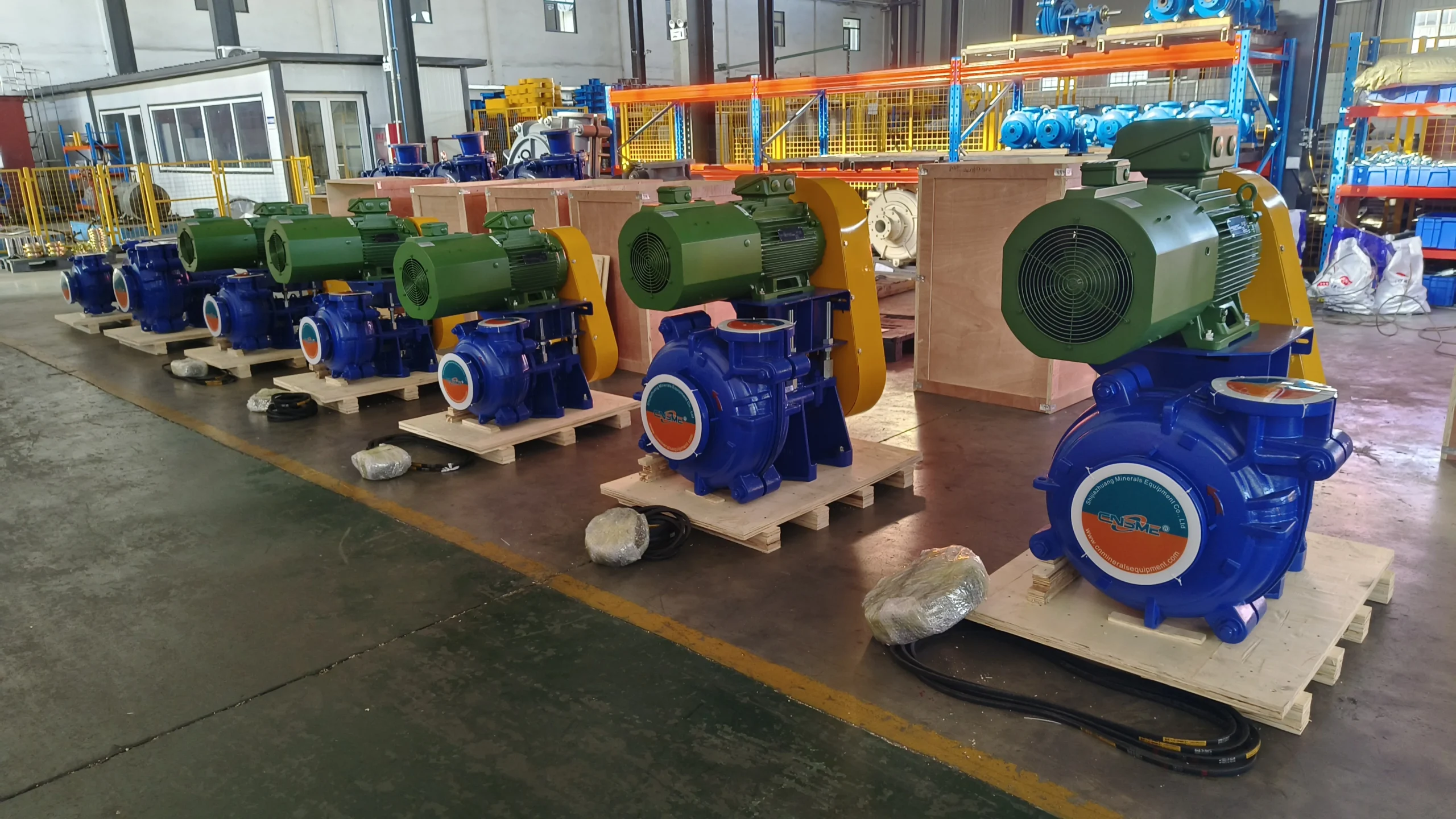
mining slurry pump crates can be damaged before installation when warehouse teams treat them like ordinary, ready-to-use equipment. A common mistake is leaving a newly delivered unit outdoors with its packaging intact, assuming the crate alone will protect it from moisture, temperature swings, and accidental impact. In reality, storage conditions and handling procedures can affect seals, machined surfaces, electrical components, and the reliability of the equipment when it is finally needed.
For warehouse and logistics teams, the goal is not simply to keep inventory dry. It is to preserve its condition, retain traceability, and make sure each item can be safely moved and prepared for service. A few controls applied at receiving can prevent avoidable inspection delays, rework, and premature component replacement.
Start by identifying what handling can put at risk
Heavy equipment often combines a robust casing with more vulnerable details: exposed shaft ends, coated surfaces, elastomer parts, bearings, and close-tolerance interfaces. A crate can shield these areas from direct contact, but it cannot correct poor lifting, prolonged condensation, or storage on an uneven floor. Damage may be difficult to spot until assembly or commissioning.
At receipt, check the package for punctures, crushed corners, water staining, shifted skids, and signs that lifting points have been used incorrectly. Compare the labels and packing list with the purchase and inventory records, and photograph any irregularities before unpacking. Keep protective covers in place unless inspection requires their removal, then replace them promptly.
Segregate suspect items rather than returning them to general stock. A clear “hold for inspection” status, linked to the serial or batch record, helps prevent a damaged component from being picked for an urgent dispatch.
Choose a storage environment that limits change
A clean, dry, covered space is a sensible baseline for pump assemblies and spare parts. Where the manufacturer specifies a temperature or humidity range, use that guidance. Avoid placing inventory beside exterior doors, heaters, washdown areas, or locations where roof leaks and condensation are likely. Rapid changes in temperature can cause moisture to form on cool metal surfaces even when there is no obvious leak.
Store crates off the floor on stable supports, with enough clearance for inspection and air circulation. Do not stack packages unless their markings and construction indicate that stacking is permitted. Keep heavy items low and ensure the rack or floor is rated for the load. For components removed from their original packaging, use clean, labelled containers and preserve protective caps on openings and machined faces.
Use a simple inspection schedule for long-stay stock. Record visible corrosion, packaging condition, moisture indicators where supplied, and any preservation actions taken. Rotating stock by receipt date can reduce the chance that older inventory remains untouched until its protective materials have degraded.
Plan each move before the load leaves its bay
Transport damage often begins with an improvised lift or a load that shifts during braking. Before moving a crate, confirm its weight, centre of gravity, marked lift points, and the capacity of the forklift or hoist. Use suitable slings and spreader equipment when required, and keep personnel clear of suspended loads. Never lift by a shaft, pipe connection, or other component unless the handling instructions explicitly allow it.
For road transport, secure the package against sliding and tipping without crushing the enclosure. Protect it from road spray and weather, while avoiding a wrap that traps moisture against the equipment. If a shipment includes a sand gravel pump or other heavy-duty unit, confirm that its packaging and restraint plan suit the actual load dimensions and route conditions rather than relying on a standard pallet assumption.
Document handoffs between the warehouse, carrier, and receiving location. Clear records of package condition, restraint methods, and delivery exceptions make it easier to investigate damage and improve repeat shipments. Product ranges from manufacturers such as CNSME may include heavy-duty pumps and spare parts, so logistics instructions should be checked against the specific configuration being moved.
Use a release checklist before picking or dispatch
A short, consistent check at the point of use can catch issues that receiving inspections miss. Adapt the following list to product instructions and local safety procedures:
- Confirm the item, configuration, identification numbers, and destination against the order.
- Check packaging and visible surfaces for moisture, corrosion, impact, or disturbed protective covers.
- Verify that storage and preservation records are current, especially for long-stored stock.
- Inspect lifting equipment and use only approved lift points and load restraints.
- Secure accessories and loose parts separately, with labels that remain legible in transit.
- Record exceptions and hold questionable inventory until the responsible technical or quality contact reviews it.
Reliable handling is a chain of small decisions: where stock is placed, how its condition is recorded, and whether each move follows the equipment’s requirements. Making those decisions repeatable helps warehouses protect asset value and gives maintenance teams a better chance of receiving equipment ready for inspection and installation.